A Brief History of the Integrated Chemists of the Philippines: 50 Years of Service to the Chemistry Profession in the Philippines

Dr. Fabian M. Dayrit
Professor, Department of Chemistry, Ateneo de Manila University
Former President of the ICP, 1996 – 2025


This year, 2026, marks the 50th year of the Integrated Chemists of the Philippines (ICP). This essay gives a brief history of the ICP, including key organizations and events in the history to the ICP.

The first national Philippine chemical society was formally established as the Chemical Society of the Philippines (CSP)1 in 1937. The membership of the CSP came mainly from the academe and government agencies. In 1952, Congress passed the Republic Act No. 754 (known as the “Chemistry Law of the Philippines”) which sought to regulate the professional practice of chemistry in the Philippines. RA 754 defined a Chemist as: “Any person, who for fee, salary or other compensation or reward to himself or to another person renders professional service requiring the use and application of chemical knowledge, and/or chemical or physico-chemical processes.” The law also created the Board of Examiners for Chemists and required chemists to register with the Board to practice chemistry. The first members of the Board were Benito F. Legarda (Chairman), and Eduardo Taylor and Marcos Alicante (Members). RA 754 required an examination which included General Chemistry, Analytical Chemistry, Industrial Chemistry, Allied Subjects, and areas of Specialization. The scope of the licensure examination was revised through the years. RA 754 focused mainly on the qualifications of the professional chemist and it defined the professional practice of chemistry in the Philippines until 2015 when it was replaced by RA 10657.

As the chemical sciences branched out into various subdisciplines, so too were specialized chemistry-related societies created. In addition to the CSP (later renamed KKP), the following societies were established: Philippine Association of Chemistry Teachers (PACT) (1961), the Philippine Association of Chemistry Students (PACS) (1964), Organic Chemistry Teachers Association (OCTA) (1971), and the Philippine Biochemistry Society (PBS) (1973)2.

Although the professional chemist was defined by RA 754 in 1952, their home organization remained the KKP until 1976 when the organization of professional chemists was established following the mandate of then President Ferdinand Marcos, Sr. to integrate the various societies under a single organization. However, no such integration occurred among the chemistry societies. Instead, a new organization of professional chemists was created with the Integrated Chemists of the Philippines. The ICP was officially registered with the Securities and Exchange Commission on July 14, 1976.

During the 1980s, the ICP and KKP worked closely with shared officers, meetings and activities. Many of the monthly meetings were held at United Laboratories, hosted by the late Dr. Roger de Leon. In 1985, Dr. Benigno Peczon, who headed the analytical laboratory at Unilab, chaired the first Philippine Chemistry Congress which was held at St. Louis University, Baguio City. This successful congress led to the establishment of the Philippine Federation of Chemistry Societies (PFCS) in 1988 to unite the various chemical associations in the country. Currently, the members of the PFCS are the ICP, KKP, PACT, and PACS. Among its major activities are the traditional celebration of Chemistry Week during the 3rd week of February, the organization of the Philippine Chemistry Congress, the selection of outstanding chemists in various areas, and the organization of the Philippine Chemistry Olympiad, from which the Philippine representatives to the International Chemistry Olympiad are selected.

By the 1990s, it was felt that there was a need to revise RA 754 to make it more responsive to the needs of the chemistry profession. The first forum on the revision of RA 754 took place during the 14th Philippine Chemistry Congress in 1998. By 2005, fourteen drafts of proposed revisions had been prepared and presented to potential sponsors in the senate and congress. But it was only on March 27, 2015 when RA 10657 (known as the “Chemistry Profession Act”) was passed into law through the sponsorship in the Lower House by Congresswoman Victoria G. Noel and in the Senate by Senator Antonio F. Trillanes IV. Among the key revisions in RA 10675 are the following: the creation of the Chemistry Technician professional, requirement for continuing professional education (CPD), regulation and improvement of chemical laboratories, and introduction of legal protection and hazard pay for chemists and chemical technicians.
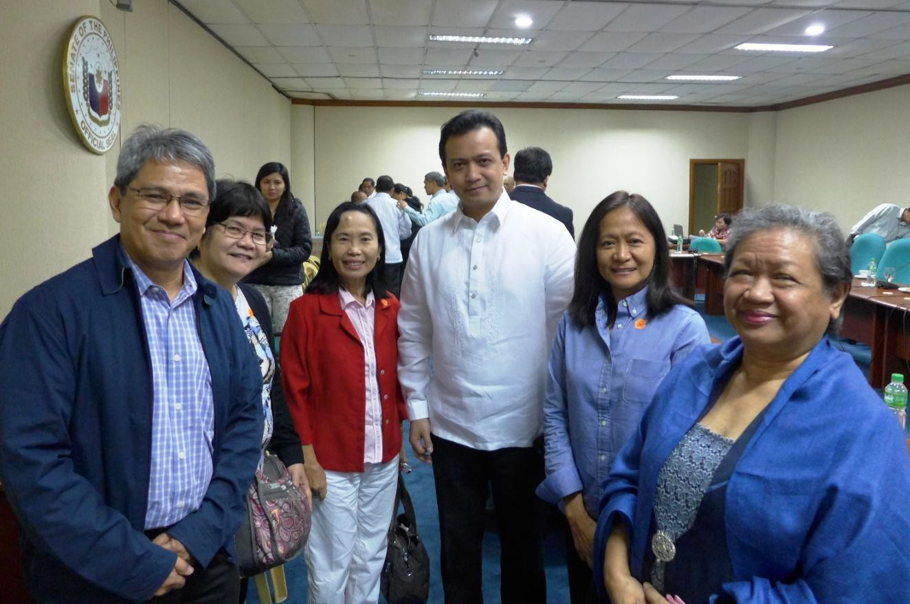
Chemists attend the Senate public hearing on Jan. 27, 2014. Left to right: Dr. Fabian M. Dayrit (president, ICP); Dr. Adoracion P. Resurreccion (chair, Board of Chemistry); Edna C. Mijares (vice-president, ICP); Senator Antonio F. Trillanes IV (sponsor of the bill); Dr. Lilibeth dlC. Coo (treasurer, ICP); and Dr. Aida R. Aguinaldo (2003 Outstanding Chemist).

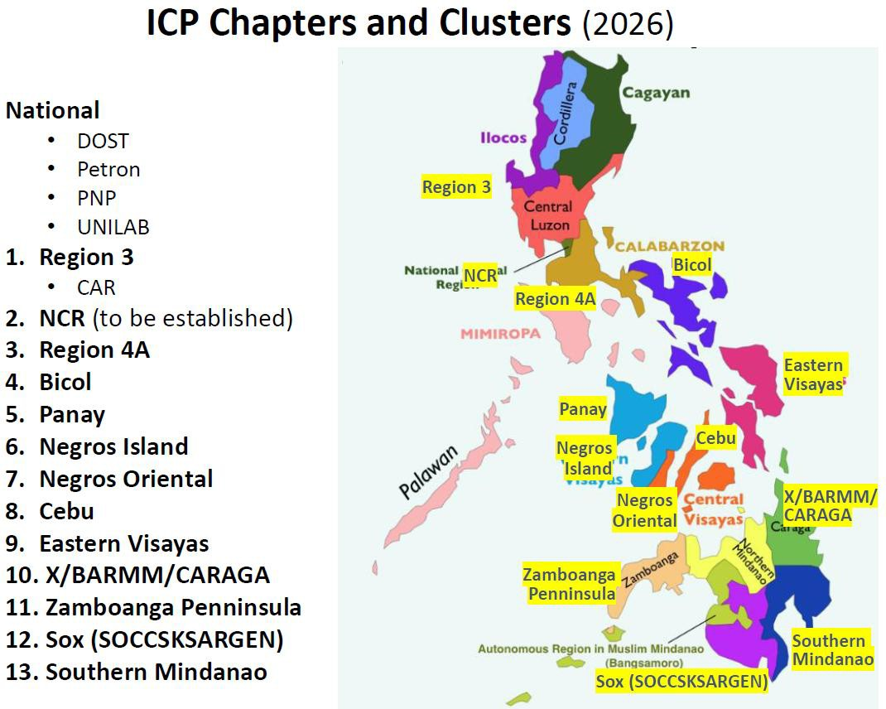
The ICP itself has indeed grown significantly. In 2018, a new ICP constitution was approved by the membership to match the changes brought about by RA 10675. From a single active board and membership of about 500 in the 1990s, the ICP has grown to over 4,000 members and the number of board examiners has likewise grown after the passage of RA 10657 in 2015. The ICP currently has 12 regional chapter. A 13th chapter, the NCR chapter, is being organized for 2026. This will enable the ICP National board to focus its attention on national matters and a NCR chapter to attend to local affairs.
Another important activity of the ICP is the annual National Conference of Chemical Laboratories (NCCL) which was spearheaded by Edna C. Mijares in 2017. The NCCL has become an annual meeting that is focused on the needs of chemical laboratories, including important topics such as chemical waste management, advances in analytical methodologies, laboratory management, relevant product standards, among others. NCCL will be holding its 10th session in February 2027.

As stated in the Declaration of Policy of RA 10657: “Chemistry is vital to public safety, the national economy, and the protection of the environment. It is, therefore, the policy of the State to promote, regulate and protect the professional practice of chemistry and to ensure the continued development and high international standards of the practice of chemistry in the Philippines.” Although this policy was explicitly enunciated in 2015, the ICP has been dedicated to this policy since its establishment fifty years ago in 1976.


1CSP was renamed as Kapisanang Kimika ng Pilipinas in the 1970s.

2PBS was renamed Philippine Society for Biochemistry and Molecular Biology (PSBMB) in 1993.
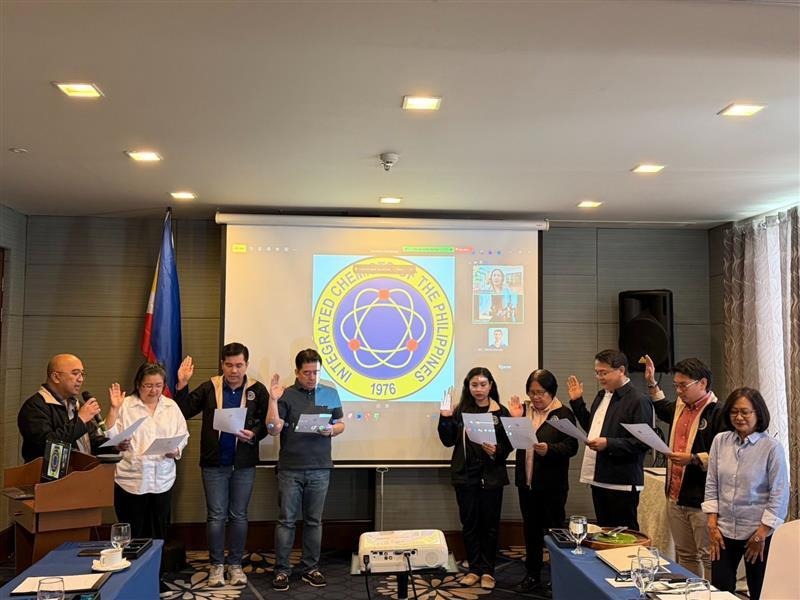

Integrated Chemists of the Philippines Elects New Officers

The Integrated Chemists of the Philippines (ICP) successfully conducted its Election and Oath-Taking Ceremony for 2026–2027 National Officers and Board of Directors last July 11, 2026 at Luxent Hotel, Quezon City.

Leading the newly elected national officers is Mr. Arjay C. Cubos, RCh (Unilab), who assumes the presidency of the organization. Joining him in the Executive Committee are Mr. Mark L. Grageda, RCh (Berries Agricultural Company Inc.) as Vice President for Internal Affairs, Dr. Maria Carmela Q. Capule, RCh (CRL Environmental Corporation) as Vice President for External Affairs, Ms. Princess Lalaine W. Benzon, RCh (Department of Public Works and Highways) as Secretary, Dr. Emily V. Castriciones, RCh (University of the Philippines Diliman) as Treasurer, Atty. Severino P. Uy, Jr., RCh (Philippine Drug Enforcement Agency) as Auditor, and Mr. Julio Salvador C. Valeza, RCh (Bureau of Plant Industry) as Public Information Officer.

Also serving on the Board of Directors are Dr. Evangeline C. Amor, RCh (University of the Philippines Diliman) and Dr. Patrick John Y. Lim, RCh (University of San Carlos).

In the recently concluded ICP Board Elections, Dr. Maria Carmela Q. Capule, RCh, Atty. Severino P. Uy, Jr., RCh, and Dr. Evangeline C. Amor, RCh emerged as the elected new representatives of the Industry, Government, and Academe sectors, respectively.

The Integrated Chemists of the Philippines also extends its heartfelt gratitude to the outgoing members of the Board of Directors for their dedicated service: Dr. Glenn V. Alea, RCh, Immediate Past President; Ms. Priscilla Alice L. Samonte, RCh, Immediate Past Vice President for External Affairs; and PCol. Albert S. Arturo, RCh, Immediate Past Auditor.

As the organization embarks on a new chapter during its milestone 50th Anniversary, the new leadership reaffirms its commitment to advancing the chemistry profession, fostering collaboration among industry, government, and academe, and serving the Filipino chemistry community with excellence, integrity, and innovation for the next 50 years and beyond.

Call for Entries: ICP Logo and Theme Making Contest

Celebrating the 50th Anniversary of the Integrated Chemists of the Philippines

Submission Deadline: 20 Jun 2025 11:59 pm
Prize: PHP 12,000

As the Integrated Chemists of the Philippines (ICP) marks its 50th anniversary, we invite all Filipino creatives—students, professionals, and chemistry advocates—to take part in this special logo and theme making contest!

This is your chance to contribute to a historic milestone by designing a commemorative logo and proposing an event theme that captures the legacy and future of the chemistry profession in the Philippines.

📌 Contest Guidelines:

  • A logo design that symbolizes 50 years of the ICP and its impact on the chemical profession and society.
  • A proposed event theme (1 short sentence) that reflects the vision of chemistry in shaping the future of the Philippines.
  • A brief description (2–3 sentences) explaining the meaning behind the logo and how the proposed theme reflects the organization’s mission and legacy.
  • The logo must be original, creative, and suitable for use in event materials and promotions.
  • Submissions must include a short concept title, a brief description, and a high-resolution version of the logo (PNG, JPG, or SVG format, minimum 300 dpi) with the following variations:
    • Logo only
    • Logo with your proposed theme
  • If possible, include the fonts used for the text
  • If AI tools were used in any part of the design process, please disclose this in the submission form.

🏆 Prize:

The winning logo will receive PHP 12,000 and will be featured in all official event materials.

🧪 Judging:

Entries will be evaluated by the ICP Board along with invited judges from the field of chemistry and design. The decision of the panel is final.

📜 Terms & Conditions:

By submitting an entry, participants grant the Integrated Chemists of the Philippines the exclusive rights to use, reproduce, and modify the winning logo for all event-related purposes. All personal information collected will be handled in compliance with the Data Privacy Act of 2012.

Let your design speak for chemistry’s role in shaping the future! Submit your entry by Jun 20, 2025.

For inquiries, please contact: secretariat[at]icp.org.ph.

Call for Entries: 40PCC Logo Making Contest

40th Philippine Chemistry Congress

Theme: Solving Tomorrow’s Problems Today with Chemistry
Submission Deadline: 23 May 2025 11:59 pm
Prize: PHP 10,000

The Integrated Chemists of the Philippines (ICP) invites all creative minds—students, professionals, and enthusiasts alike—to showcase their talent in our official logo making contest for the 40th Philippine Chemistry Congress.

📌 Contest Guidelines:

  • Your design should reflect the theme: Solving Tomorrow’s Problems Today with Chemistry.
  • The logo must be original, creative, and suitable for use in event materials and promotions.
  • Submissions must include a short concept title, a brief description, and a high-resolution version of the logo (PNG, JPG, or SVG format, minimum 300 dpi) with the following variations:
    • Logo only
    • Logo with “40th Philippine Chemistry Congress” text
    • Logo with “40th Philippine Chemistry Congress” and “Solving Tomorrow’s Problems Today with Chemistry” texts
  • If possible, include the fonts used for the text
  • If AI tools were used in any part of the design process, please disclose this in the submission form.

🏆 Prize:

The winning logo will receive PHP 10,000 and will be featured in all official event materials.

🧪 Judging:

Entries will be evaluated by the ICP Board along with invited judges from the field of chemistry and design. The decision of the panel is final.

📜 Terms & Conditions:

By submitting an entry, participants grant the Integrated Chemists of the Philippines the exclusive rights to use, reproduce, and modify the winning logo for all event-related purposes. All personal information collected will be handled in compliance with the Data Privacy Act of 2012.

Let your design speak for chemistry’s role in shaping the future! Submit your entry by May 23, 2025.

For inquiries, please contact: secretariat[at]icp.org.ph.

Upholding the Chemistry Profession One Chemical Laboratory at a Time

Maria Kristina Dabi
Staff at the Professional Regulation Commission

Back in 2018, I was asked by Dir. Atty. Maria Liza M. Hernandez to assist the Professional Regulatory Board of Chemistry composed of Hon. Adoracion P. Resurreccion, Hon. Soledad S. Castañeda, and Hon. Ma. Theresa C. Cayton in the inspection and monitoring of applicants for the Certificate of Authority to Operate Chemical Laboratory (CATO). It was the year when the grace period set by the Republic Act 10657, otherwise known as the Chemistry Profession Act, ended. That year, the Commission received a bulk of applications from all over the Philippines.

From 2018 to 2020, I had the honor of working closely with the Board of Chemistry, from determining the schedule of inspection and preparing its logistics to assisting the Board in the inspection and monitoring. Looking back, working with these outstanding, intelligent, caring, and inspiring women was a privilege. I have witnessed how the Board of Chemistry worked from the grassroots to ensure the maintenance of high professional, ethical, and technical standards and safeguard the welfare of its professionals.  

You may wonder, what is the importance of the Certificate of Authority to Operate Chemical Laboratories? Who will benefit from it? Why is it vital to secure such?

In 2017, to guarantee that establishments and institutions are adequately guided by this directive, the Board of Chemistry issued Resolution No. 02, or the “Rules and Regulations Implementing Section 35 of the Chemistry Profession Act on the Issuance of Certificates of Authority to Operate Chemical Laboratories and other Related Establishments.” In this resolution, the Board set standards that a chemical laboratory must meet to ensure that its employed Chemists and Chemical Technicians are competent and that their safety and well-being are taken care of.

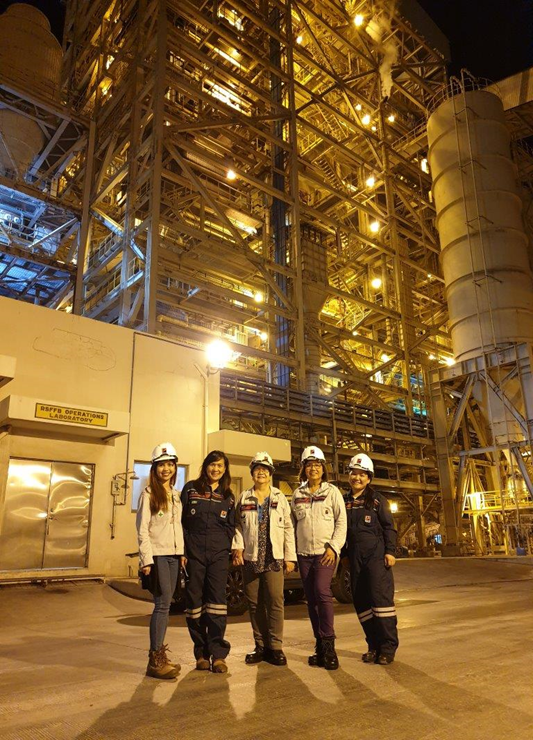
Hon. Resurreccion and Hon. Cayton together with the Chemists of Petron Bataan in 2019.

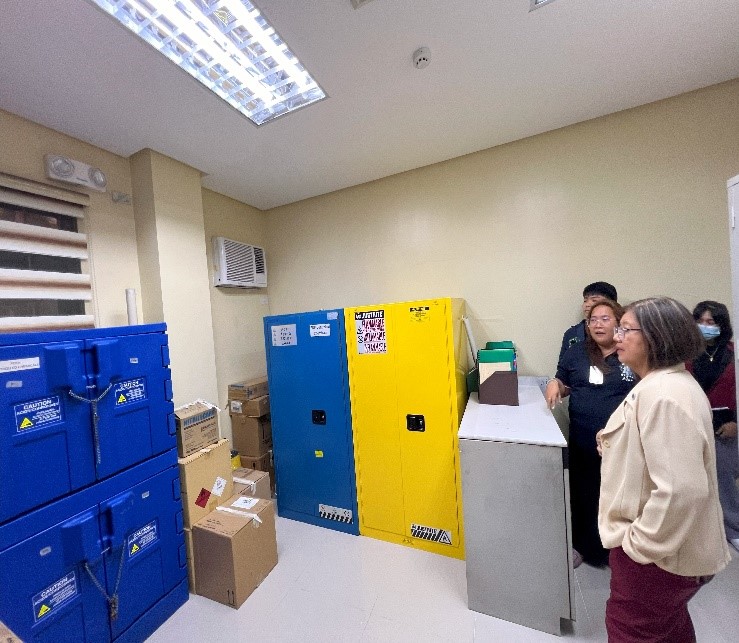
There are eight criteria that the Board evaluates in a Chemical Laboratory, all these are based on the provisions in the Chemistry Law and its IRR. First, the Board checks for the sufficiency of the laboratory’s personal protective equipment and safety devices. Second, the Board inspects for adequacy of space, proper storage of chemicals, and proper waste disposal. The Board sees to it that the Chemists and Chemical Technicians know Their hazardous chemical wastes and advises them to look for ways to reduce them. The Board also recommends verifying and inspecting the 3rd party treaters to ensure that the chemical wastes the establishment or institution sent is appropriately handled and treated. The third measure the Board checks into is the adequacy of facilities and instruments used for chemical testing. The fourth standard is the availability of the Safety Manual and its proper communication to the employees. The Board also looks into the qualifications and skills of the professionals and sees to it that the head of the chemical laboratory is a registered chemist and that all its Chemists and Chemical Technicians are active members of the Integrated Chemists of the Philippines (ICP). In addition, the Board also checks that the Chemist signs the Certificate of Analysis. The Board also looks into the professionals’ credentials and checks for the availability of their Certificate of Registration and updated Professional Identification Card. Lastly, the Board looks at the benefits provided to the professionals, such as hazard pay, health insurance, and legal assistance.

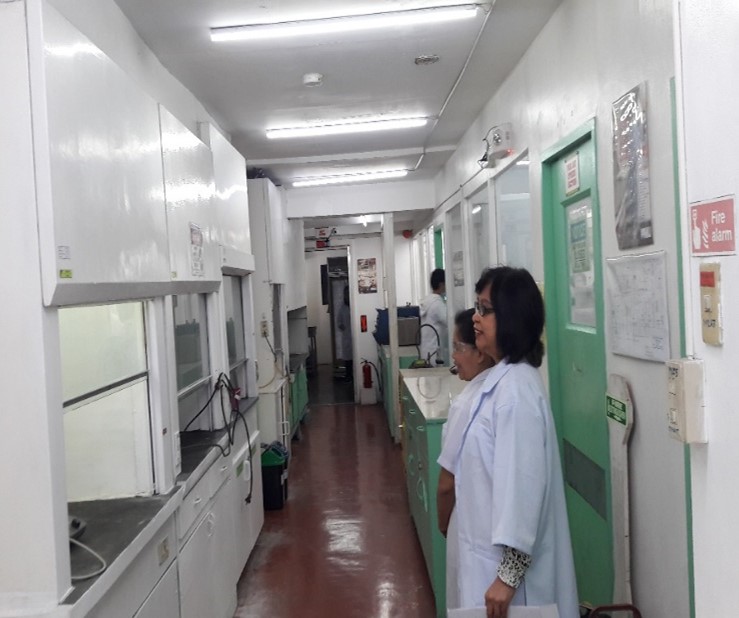
As one of the employees of the Commission who had the privilege to be a PRC Representative and assist the Board, I have witnessed how they significantly impacted the maintenance and enhancement of their profession. Together with the Board, I have seen how dilapidated laboratories with hints of chemical odors have been renovated. I was in the room where it usually happens – the Board providing free consultations on managing the laboratories’ hazardous chemical wastes. I have seen how the Board has fought for the rights of every Chemist and Chemical Technician by strengthening their role in the chemical laboratory, enforcing the law that only registered Chemists and Chemical Technicians are allowed to perform chemical analyses. In one of our recent audits, when the institution we inspected reported that they increased their Plantilla position of Chemists due to the Board’s zealous implementation of the law, I can’t help but feel proud of the Board for the positive impact they continue to make for the profession. Personally, I believe the most significant contribution of the Board is mandating hazard pay for its professionals. In 2018, only a few Chemists and Chemical Technicians were receiving hazard pay, but because of the Board, all of the Chemists and Chemical Technicians working in the laboratory are now entitled for this benefit.

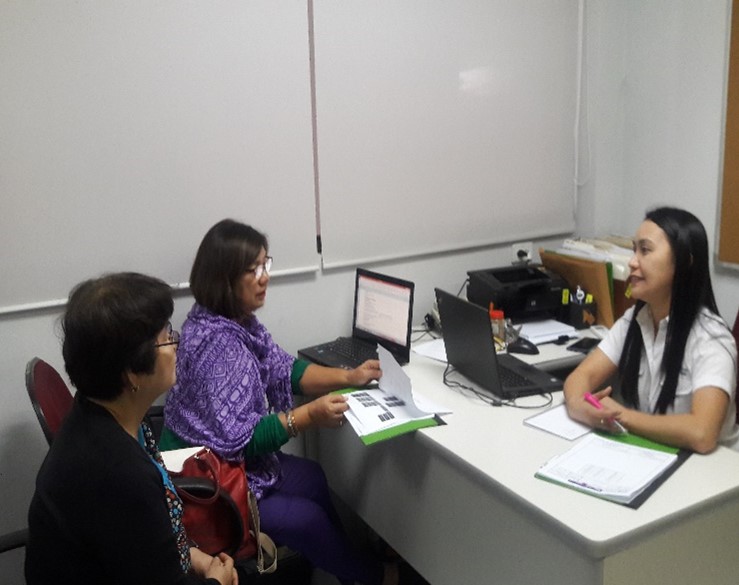
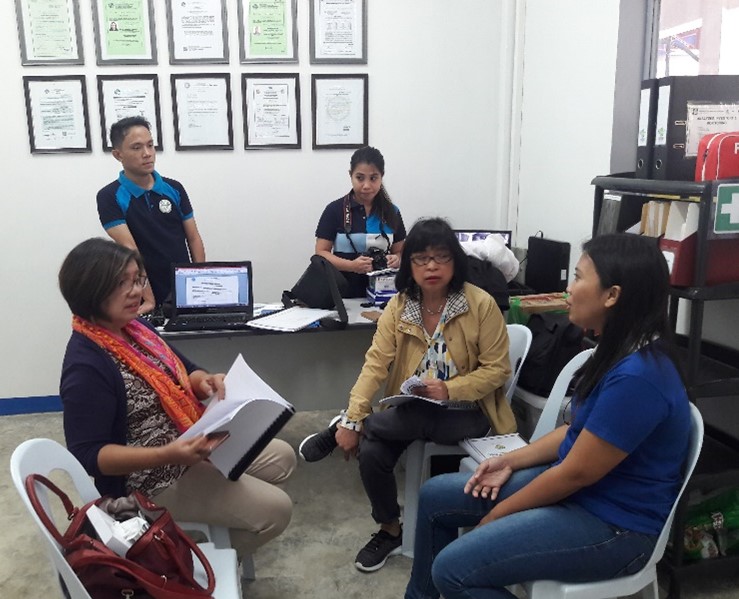
Inspection at National Reference Laboratory in East Avenue, Quezon City on February 16, 2024.

It is no secret that the Board has encountered several challenges before these trailblazing changes were achieved. Requiring a chemical laboratory in poor condition to have its facilities refurbished entails a hefty amount. The same goes for mandating hazard pay. We know that allocating budgets is difficult to achieve. The Board of Chemistry understands this issue and, with their good hearts, allows the establishment or institution to set its realistic target date of accomplishment on the recommendations of the Board that entail substantial financial costs. The Board’s actions towards such matters is one of the reasons why I sincerely appreciate them. They wield their authority, but they always bring humanity with their decisions. Sure, sometimes a laboratory takes a long time before complying with the set standards of the Board, but it’s all right, especially when it entails a massive positive transformation.

Those who had the chance to work with the Board of Chemistry, especially those assigned as the PRC Representative, will likewise attest to the Board’s passion and dedication towards improving the chemistry profession. I am sure not only myself but also my colleagues have witnessed how the Board willingly spent overtime when visiting the laboratories to share their expertise. In monitoring the compliances submitted through email by the establishments or institutions, my colleagues and I are often in awe with the Board when we see the time they reply to the applicants. Oftentimes, we see them answer in the middle of the night or even in the break of dawn.

It is easy to envision a better society, but the challenge lies in working toward that goal. Change does not happen overnight. Change is a gradual process. It takes time, and it takes effort. In the Chemistry profession, it has taken years and resources before we now see how this change has positively affected its professionals. The Board of Chemistry, composed of these dedicated women of science, is leading this change. Just like every celebrated woman in our history whom we know has fought for equality and made outstanding contributions that have benefited humanity, one thing is common among them – and that is how they have dedicated a significant amount of time of their life to make it happen. Like them, the Board of Chemistry has created positive changes by taking concrete actions that promote equality and empowerment. Now, fast forward to the present, as of February 2024, a total of 1069 inspections of chemical laboratories have been done, 617 of which have been issued with the Certificate of Authority to Operate, and 452 are in different stages of improvement. The Board of Chemistry continues its mission with a target of 151 chemical laboratories for inspection and monitoring for 2024.

For the Chemistry profession, indeed, change has come – led by three women, one chemical laboratory at a time!